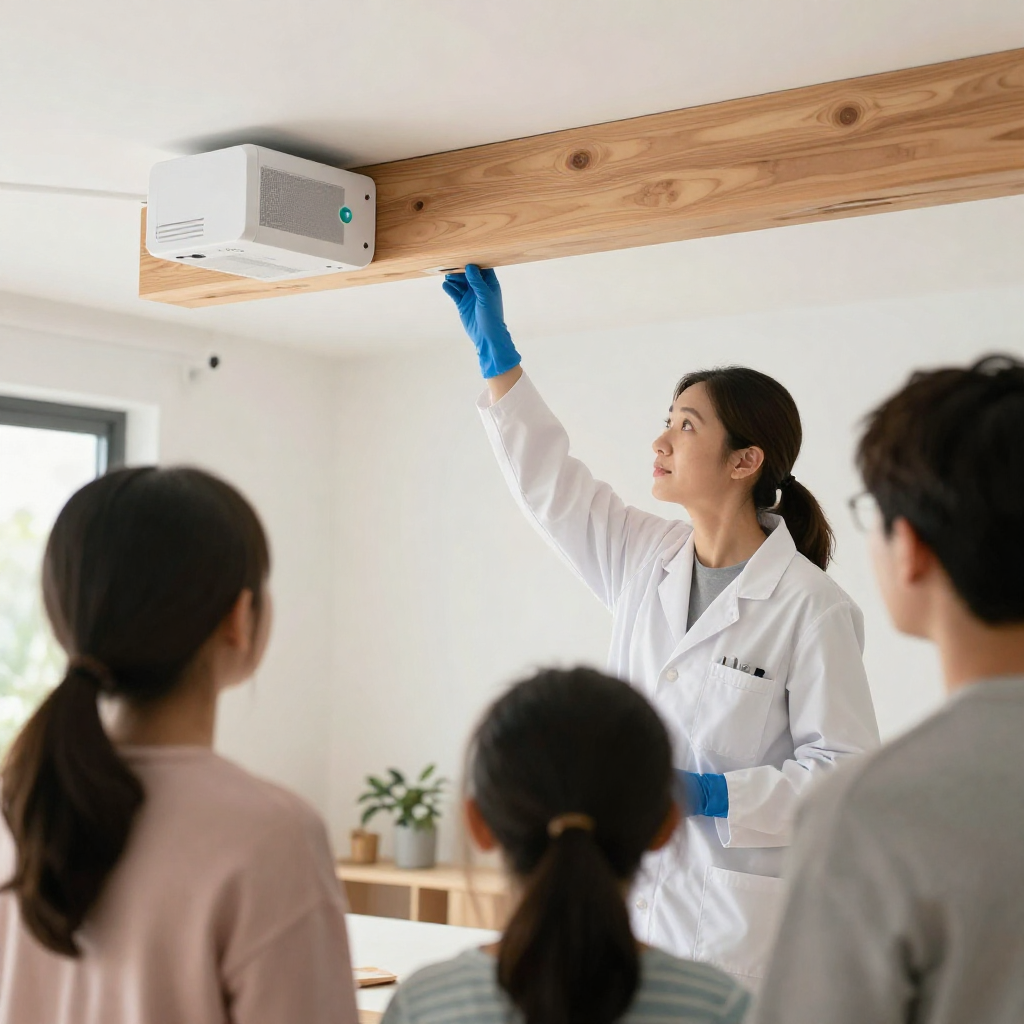
Pests do not behave the same way throughout the year. Their activity is heavily influenced by seasonal changes in temperature, humidity, food availability, and breeding cycles. For homeowners, understanding how pest behavior changes with the seasons is essential for protecting wooden structures, furniture, and other valuable materials from unnecessary damage.
Wood-boring beetles, termites, rodents, carpenter ants, and many other household pests become more or less active depending on the time of year. While some insects reproduce during warmer months, others seek shelter indoors as temperatures drop. Seasonal maintenance and routine inspections can significantly reduce the risk of infestations before they become serious.
This guide explains how common household and wood-damaging pests behave throughout the seasons and what homeowners can do to keep their property protected year-round.
Why Seasons Affect Pest Activity
Like most living organisms, insects respond to environmental conditions.
Changes in:
- Temperature
- Humidity
- Rainfall
- Daylight hours
- Food availability
all influence their feeding, breeding, and movement patterns.
Understanding these seasonal patterns helps homeowners plan inspections and preventive maintenance more effectively.
Spring: The Start of Increased Activity
As temperatures begin to rise, many pests become active after winter.
Common spring activities include:
- Insect breeding
- Egg laying
- Increased movement
- Emergence of adult wood-boring beetles
- Termite swarming in some regions
Spring is an ideal time to inspect wooden structures for new signs of pest activity.
Summer: Peak Pest Season
Summer generally brings the highest level of pest activity.
During this season:
- Wood-boring beetles emerge from timber.
- Carpenter bees begin nesting.
- Ant colonies expand.
- Drywood termites may swarm in warmer climates.
- Outdoor insect populations increase significantly.
Warm temperatures accelerate insect development and reproduction.
Autumn: Preparing for Cooler Weather
As temperatures begin to fall, many pests search for food and shelter.
Homeowners may notice:
- Rodents entering buildings.
- Insects seeking protected nesting sites.
- Reduced outdoor insect activity.
- Increased movement into attics, basements, and wall cavities.
Autumn is an excellent time to seal entry points before winter arrives.
Winter: Hidden Activity Continues
Cold weather slows many insects, but it does not eliminate all pest activity.
During winter:
- Some wood-boring beetle larvae continue feeding inside timber.
- Rodents remain active indoors.
- Drywood termites inside heated buildings may continue feeding.
- Moisture problems may increase because of condensation and limited ventilation.
Hidden infestations can continue throughout the winter even when no insects are visible.
Seasonal Changes in Wood-Boring Beetles
Wood-boring beetles have distinct seasonal behavior.
Spring and Summer
Adult beetles emerge from timber to:
- Mate
- Lay eggs
- Start a new life cycle
Fresh exit holes and new frass are more likely to appear during these months.
Autumn and Winter
Larvae remain inside timber where they continue feeding and developing.
Although adult beetles are rarely seen during winter, internal damage may still continue.
Seasonal Changes in Termites
Termite behavior also varies throughout the year.
Spring
Many termite species produce winged reproductives that leave established colonies to form new ones.
Summer
Colonies remain highly active, especially in warmer climates.
Autumn
Activity may slow outdoors, but colonies continue feeding.
Winter
Subterranean termites remain protected below ground, while drywood termites continue living inside timber regardless of the season.
Seasonal Moisture Problems
Different seasons create different moisture challenges.
Spring
- Heavy rainfall
- Roof leaks
- Rising groundwater
Summer
- High humidity
- Storm damage
- Poor ventilation in enclosed spaces
Autumn
- Blocked gutters
- Falling leaves affecting drainage
Winter
- Condensation
- Frozen pipes
- Limited airflow
Managing moisture throughout the year helps reduce the risk of mold and supports long-term timber preservation.
Seasonal Home Maintenance Tips
Protect your home by adjusting maintenance throughout the year.
Spring
- Inspect roof timbers.
- Check for fresh exit holes.
- Repair winter damage.
- Clean gutters.
Summer
- Monitor outdoor wooden structures.
- Maintain protective wood finishes.
- Check decks and fences.
Autumn
- Seal exterior gaps.
- Trim vegetation.
- Store firewood away from the house.
- Clear drainage systems.
Winter
- Monitor indoor humidity.
- Improve ventilation.
- Inspect basements and attics.
- Watch for condensation.
Seasonal maintenance reduces the likelihood of pest infestations.
Modern Woodworm Treatment Options
If an active woodworm infestation is confirmed, treatment depends on:
- Beetle species
- Severity of infestation
- Structural condition
- Accessibility
Professional options include approved chemical treatments and modern heat-based technologies.
Microwave Woodworm Treatment
One increasingly popular chemical-free option is microwave woodworm treatment.
Professional microwave equipment uses dielectric heating to generate controlled heat inside timber.
The treatment is designed to eliminate:
- Woodworm larvae
- Beetle eggs
- Pupae
- Adult wood-boring beetles
Benefits
- Chemical-free
- No pesticide residues
- Localized treatment
- Environmentally responsible
- Suitable for many heritage buildings
- Helps preserve original structural timber
Microwave treatment can be an effective solution for suitable active woodworm infestations regardless of the season.
Seasonal Pest Prevention Checklist
Protect your home year-round by:
- Inspecting timber regularly.
- Repairing leaks promptly.
- Monitoring humidity.
- Improving ventilation.
- Cleaning gutters.
- Maintaining protective wood finishes.
- Sealing cracks and entry points.
- Checking roof spaces and basements.
Consistent maintenance is more effective than reacting after damage occurs.
Seasonal Pest Activity Overview
| Season | Common Pest Activity |
|---|---|
| Spring | Swarming, breeding, adult beetle emergence |
| Summer | Peak insect activity and reproduction |
| Autumn | Pests seek shelter indoors, increased rodent activity |
| Winter | Hidden feeding continues, moisture-related issues increase |
Understanding these seasonal patterns helps homeowners schedule inspections and maintenance more effectively.
Common Mistakes to Avoid
Avoid these common errors:
- Inspecting for pests only during summer.
- Ignoring winter moisture problems.
- Delaying repairs after storms.
- Assuming pests disappear completely during cold weather.
- Skipping annual timber inspections.
Year-round prevention is the key to protecting wooden structures.
Common Myths About Seasonal Pest Activity
Myth 1: Wood-Boring Insects Only Damage Wood in Summer
Fact: Adult beetles usually emerge during warmer months, but larvae can continue feeding inside timber throughout much of the year.
Myth 2: Winter Kills All Household Pests
Fact: Many pests survive by living indoors, underground, or inside wooden structures where temperatures remain more stable.
Myth 3: Pest Prevention Is Only Necessary During Warm Weather
Fact: Every season presents different risks. Regular inspections and maintenance throughout the year provide the best protection against infestations.
Conclusion
Pest activity changes with the seasons, but the risk to wooden homes never completely disappears. Spring and summer often bring increased insect activity and breeding, while autumn and winter encourage many pests to seek shelter indoors. At the same time, seasonal moisture changes can create conditions that affect both timber and indoor environments.Visit https://www.shashel.eu online for more details.