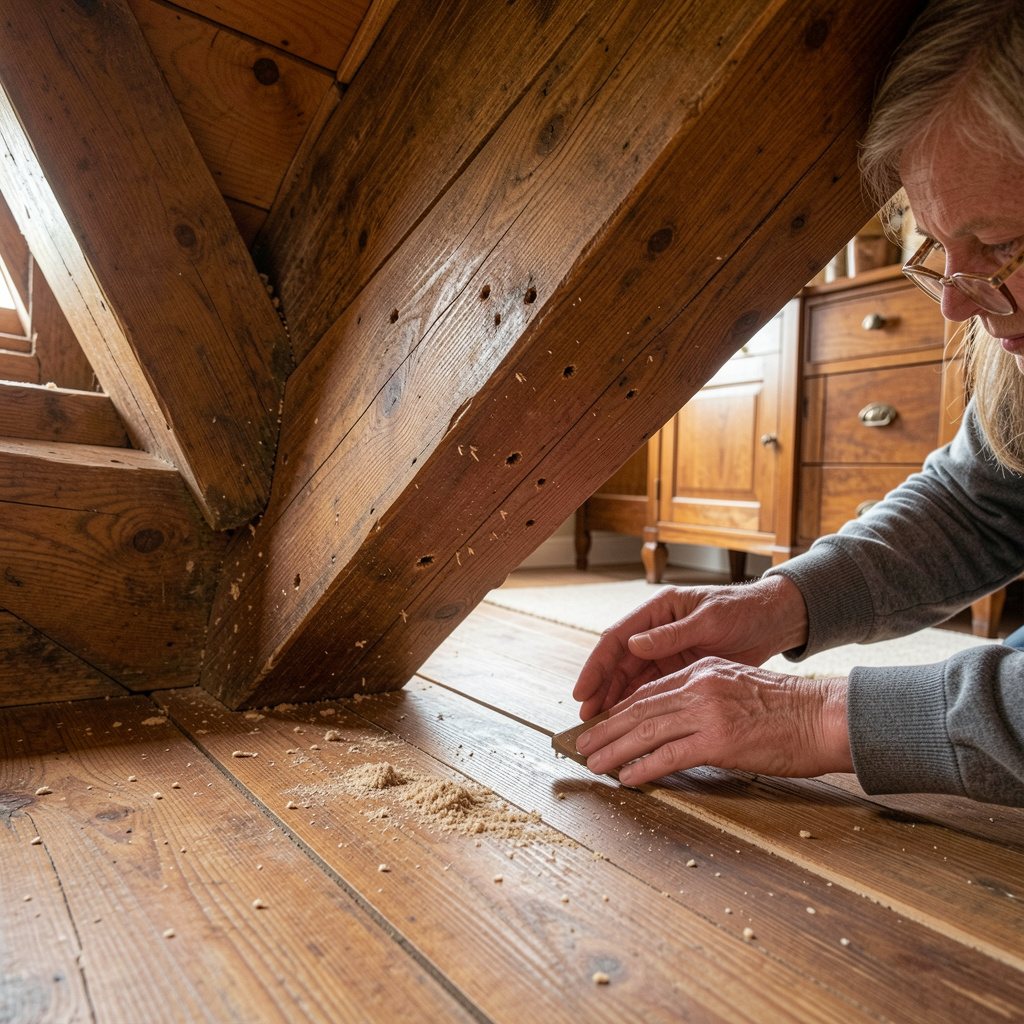
Wooden homes are admired for their beauty, warmth, durability, and natural appearance. Whether it is a traditional timber house, countryside cabin, or modern wooden property, wood creates a comfortable and timeless living environment. However, because wood is a natural material, it requires regular maintenance and preventive care to remain strong and attractive over time.
Without proper upkeep, timber may become vulnerable to moisture, woodworm, termites, mold, weather exposure, cracking, and structural wear. Small issues often begin quietly and gradually turn into expensive repairs if ignored. The good news is that following the right maintenance practices can help homeowners protect their property and extend the lifespan of wooden structures.
Many homeowners researching timber care through shashel.eu/ understand that consistent maintenance is one of the best ways to avoid costly repairs and preserve timber for generations.
In this guide, we will explore the best practices for wooden home maintenance and how to keep a wooden house strong and durable.
Inspect Wooden Structures Regularly
Routine inspection is one of the most important maintenance habits.
Areas Worth Inspecting
Check:
- Roof beams
- Floorboards
- Ceiling joists
- Wooden walls
- Outdoor timber
Warning Signs to Watch For
Look for:
- Tiny holes in wood
- Powdery dust
- Cracks
- Weak timber
Early detection helps prevent larger problems.
Consistency matters.
Many homeowners exploring timber care through shashel.eu understand that regular inspections often prevent expensive structural repairs.
Keep Timber Dry
Moisture is one of wood’s biggest enemies.
Why Moisture Causes Damage
Damp timber becomes vulnerable to:
- Mold
- Woodworm
- Rot
- Structural weakening
Common Moisture Sources
Watch for:
- Roof leaks
- Plumbing leaks
- Condensation
Dry timber naturally lasts longer.
Fast repairs matter.
Improve Ventilation
Poor airflow increases humidity.
Why Ventilation Matters
Healthy airflow helps:
- Reduce moisture buildup
- Lower mold risk
High-Risk Areas Include
- Attics
- Crawl spaces
- Basements
Healthy airflow protects timber naturally.
Dry spaces reduce pest problems.
Protect Against Woodworm and Termites
Wood pests often damage timber quietly.
Common Wood Pests Include
- Woodworm
- Termites
- Beetles
Early Warning Signs Include
- Tiny holes
- Powdery dust
- Hollow sounds
Fast treatment protects timber.
Healthy dry wood discourages infestation.
Repair Small Problems Quickly
Minor damage often becomes expensive if ignored.
Common Small Problems Include
- Cracks
- Loose boards
- Weak joints
Why Fast Repairs Matter
Small repairs help prevent:
- Larger structural damage
Early action saves money.
Healthy homes require regular care.
Maintain Roofs and Gutters
Water management protects timber.
Why Roof Maintenance Matters
Leaks increase moisture exposure.
Areas to Inspect
Check:
- Roof tiles
- Gutters
- Drainage systems
Healthy drainage protects wooden structures.
Routine care improves durability.
Protect Outdoor Wood
Outdoor timber faces extra environmental stress.
High-Risk Outdoor Areas Include
- Decking
- Fences
- Wooden stairs
Helpful Protection Tips
Use:
- Weather-resistant finishes
- Protective coatings
Outdoor maintenance improves lifespan.
Healthy timber lasts longer.
Seal Cracks and Gaps
Small openings create long-term risks.
Why Sealing Matters
Cracks may allow:
- Moisture entry
- Pest access
Areas Worth Inspecting
Check:
- Window frames
- Wooden walls
- Roof spaces
Small repairs improve protection.
Healthy wood stays stronger.
Watch for Mold and Dampness
Mold often signals moisture problems.
Warning Signs Include
- Musty smells
- Dark patches
- Damp surfaces
Why Mold Matters
Mold weakens timber over time.
Healthy airflow reduces risk.
Fast action matters.
Control Indoor Humidity
Indoor moisture affects wood health.
Helpful Solutions
Improve:
- Ventilation
Consider:
- Dehumidifiers
Balanced humidity protects timber.
Healthy conditions matter.
Inspect Hidden Areas
Damage often develops quietly in concealed spaces.
High-Risk Areas Include
- Attics
- Roof spaces
- Crawl spaces
Why Hidden Inspection Matters
Problems may spread unnoticed.
Routine checks improve prevention.
Never overlook hidden timber.
Maintain Wooden Furniture and Interior Wood
Interior timber deserves care too.
Helpful Maintenance Habits
Keep wood:
- Clean
- Dry
Inspect for:
- Loose joints
- Small cracks
Routine care improves durability.
Healthy furniture lasts longer.
Consider Modern Wood Protection Methods
Modern timber care continues improving.
Common Solutions Include
- Heat treatment
- Microwave treatment
These methods may help eliminate hidden timber pests safely.
Professional advice improves results.
Many homeowners researching timber care through shashel.eu increasingly explore advanced timber protection for long-term durability.
Common Mistakes Homeowners Make
Ignoring Small Signs
Minor issues often become expensive later.
Delaying Repairs
Damage spreads quietly.
Ignoring Moisture
Damp timber weakens faster.
Skipping Inspections
Hidden problems remain unnoticed.
Routine maintenance improves protection.
Long-Term Benefits of Proper Maintenance
Good maintenance offers major advantages.
Benefits Include
- Longer timber lifespan
- Better structural safety
- Lower repair costs
- Improved property value
Healthy timber protects the entire home.
Prevention saves money.
Conclusion
Following the best practices for wooden home maintenance helps protect timber from moisture, pests, mold, weather damage, and structural wear. Regular inspections, moisture control, ventilation, fast repairs, and preventive care are some of the most effective ways to keep wooden homes strong and beautiful.
Many homeowners researching timber care through shashel.eu understand that long-term durability begins with consistent maintenance and early prevention.